|
Jennifer Bramen, Ph.D.
Addiction: smoking
Adolescent Brain Development
pubertal influences
sex differences in maturation
Adolescent Addiction
Technology Development
new methods of combining structural (s) and functional (f) MRI
Real Time analysis of fMRI data (identifying mental states while scanning)
New methods for combining EEG and fMRI (so they better inform one another) |
 |
 |
System Administrator / Programmer Analyst
Can''t Smile Correctly. Always wears a hat.
Quote: "If programmers were electricians, parallel programmers would be bomb disposal experts." |
Pamela Douglas, Ph.D.
My interest lies at the interface of applied mathematics and neuroscience. I seek to apply the most advanced concepts in pattern classification to the exceptionally challenging task of forming a better understanding of the human brain, perhaps the single most sophisticated information processing structure. My goal is to better understand how information is integrated across functionally specialized cognitive units that reside in spatially disparate brain regions. My current work involves data mining of the ADHD 200 data set, and integration of EEG-fMRI data in the spatial domain. With this work, I hope to not only identify novel biomarkers of ADHD, but also gain an improved understanding of how communication and/or connectivity between cognitive units may be related to attentional modulation. |
 |
 |
Arpana (Annie) Gupta
Research Interests: Racial/ethnic health disparities; with a focus on discrimination processes, cultural variables and the stereotypes associated with health outcomes and help seeking attitudes among various ethnic/racial groups in America. Additional interests include investigating how socio-cultural factors (e.g. immigration status, generation status, acculturation, religion, ethnic identity, etc.) can lead to health disparities among diverse ethnic and racial groups, with a focus on integrating behavioral, biomarkers, and imaging modalities. |
Dianna Han
As a Ph.D candidate and a full-time engineer, Dianna is currently working on her dissertation in these areas:
- fMRI data analysis using temporal pattern modeling
- Real-time craving state classification for fMRI
- Fast and accurate cognitive state detection with multi-modal measurements (EEG and fMRI)
|
 |
 |
Cameron Rodriguez
Cameron is a PhD candidate in the department of Bioengineering. His research focuses on technological advances in the fusion of EEG and MRI. He has developed new methods for electrode location, ballistocardiogram artifact timing and gradient artifact cleaning. His methods all focus on improving not only quality, but robustness and usability. Outside of his academic career he works as an engineer developing commercial products for EEG and MRI as well as consulting regarding the integration of EEG and MR into pharmacological studies. |
|
Austin is a BME graduate student in the Neuroengineering track. He is currently involved in research related to the understanding of attention and ADHD using EEG measurements. More generally, his interests relate to developing and improving technology and methods used in neuroscience, with specific enthusiasm for brain-machine interfaces. His experience with circuits and electronics allows him to contribute to the lab through constructing and debugging various gizmos and gadgets. |
 |
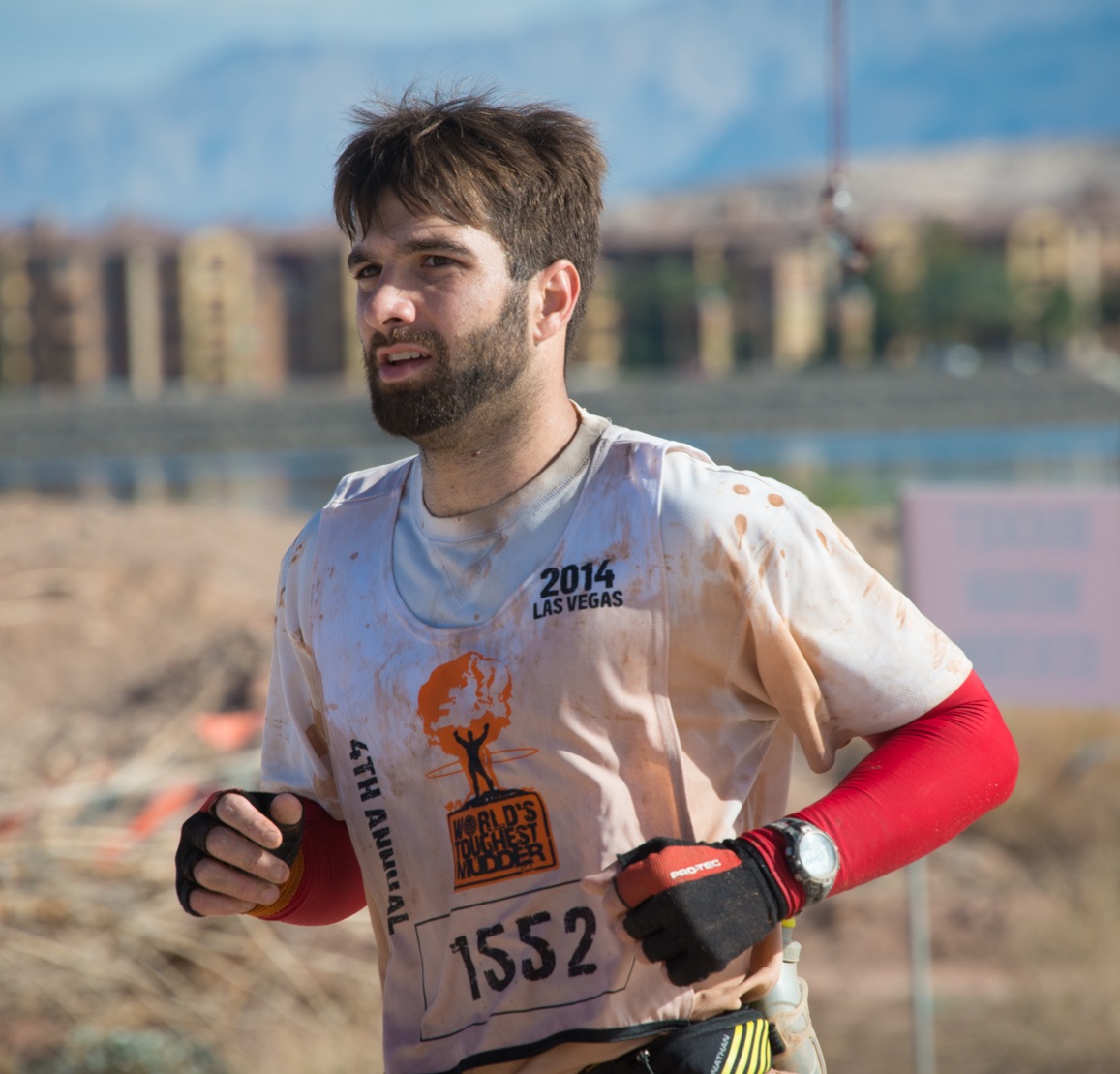 |
Wesley is an MSTP student interested in developing computer-aided diagnostic methods and tools for neurologic disease. His current work focuses on discriminating between and within epileptic and non-epileptic seizures using clinical information, EEG, MRI, and/or FDG-PET. His focus is in electronic health record datasets, high dimensional datasets with limited data, and quantitative diagnostic feature development. Mathematically, he is interested in statistical modeling, optimization and stochastic processes. Medically, he is interested in neurology with a focus in epilepsy and neuropsychiatric diseases. |
|
Edward is an undergraduate student at UCLA pursuing a double major in Bioengineering and Computational & Systems Biology. About to begin his fifth year of study, he is interested in research that has the potential to improve human-machine interactions. Improving HMI starts with furthering our understanding of the neural mechanisms of cognition. Research leveraging multi-modal neuroimaging (EEG, fMRI) is one way to accomplish this. He was first introduced to the application of MRI for brain studies while volunteering at LONI at UCLA and EEG and brain-state classification while interning at NeuroSky. While looking forward to enrolling in a graduate program in the coming years, he stays busy exploring LA and staying active. |
 |
 |
Attention is what determines the contents of our mind. Self-control is our ability to resist an automatic behavior and do "something else". My research aims to understand how - in terms of brain processes - attention mediates, modulates and interferes with self-control. I examine how external cues influence brain activity and behavior by eliciting in our mind a learned set of behaviors, both when this is desired (e.g., seeing a stop sign) and when it is not (e.g., approaching a cross-street that used to have a stop sign). My aim is to understand the dynamics (time and space) of the neural interactions that underlie these processes. To this end I combine multi-modal neuroimaging technology (e.g., EEG, fMRI) with multivariate analytical techniques. |
|
Given that modern imaging approaches have proven remarkably powerful in exposing plastic changes from even short term behavioral interventions in a variety of presenting clinical problems, I am interested in further understanding the windows that neuroimaging can provide into behavioral disorders and illuminating the physiological effects of specific intermediations, so as to better guide and focus treatments. As a psychologist, my interests focus on developing empirically supported treatments for patients experiencing impulse control deficits (e.g., pathological gambling, hypersexual behavior) and other addictive behaviors. As part of this work, I am seeking to understand the neurobiological mechanisms associated with changes in the brain in response to Mindfulness Based Stress Reduction (MBSR) in patients seeking help for pathological gambling, hypersexual behavior, and chemical dependency |
 |
 |
Dr. Vaughn tries to understand and diagnose aspects of human consciousness using machine learning & neuroimaging (fMRI, DTI, EEG). How does a three-pound cluster of cells in our head generate our experience of the world?
Dr. Vaughn employs these techniques outside of neuroscience. In a collaboration with doctors at the David Geffen School of Medicine, he applied machine learning methods to a database of insurance claims to predict and prevent hospitalizations in patients with inflammatory bowel disease (IBD). The results of this analysis suggested a care pathway that could save Anthem up to 10% on hospitalization expenses related to managing IBD.
Dr. Vaughn’s passion is to make science engaging, accessible and relatable. As a QCBio Collaboratory Fellow, he teaches a seminar on modern statistical methods (permutations, machine learning, bootstrapping) to UCLA faculty, postdoctoral fellows, and students. |
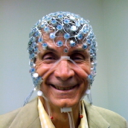
Greg and Mark have known each other since the early 90’s back at Harvard/MGH. Greg is one of the pioneers of multi-modal functional brain imaging with EEG, MEG, fMRI, MRI, and is thrilled to be collaborating with Mark again and with several lab members on a number of projects:
- Attention – transient and sustained attention processes; brain systems underlying distractor suppression and mind-wandering with EEG/fMRI.
- ADHD – Brain systems underlying transient and sustained attention in ADHD.
- Brain systems underlying hypnotic states and transitions (EEG, fMRI).
- Brain network classification applied to each of the above topics.
|  |
 |
Hongjing is a 3d year BME graduate student interested in:
- Integration of multimodal neuroimaging technology (eg., EEG, MRI)
- Real Time analysis and classification of MRI data
- Artifact Detection for MRI and EEG
- Fast MRI acquisition technique
- MRI Pulse Sequence Programming
|
 PAST MEMBERS and STILL FRIENDS PAST MEMBERS and STILL FRIENDS |
|
 |